10 Oct 2026
Coordinating Progressive Jackpot Networks with Layered Reward Programs Across Digital and Physical Gaming Venues
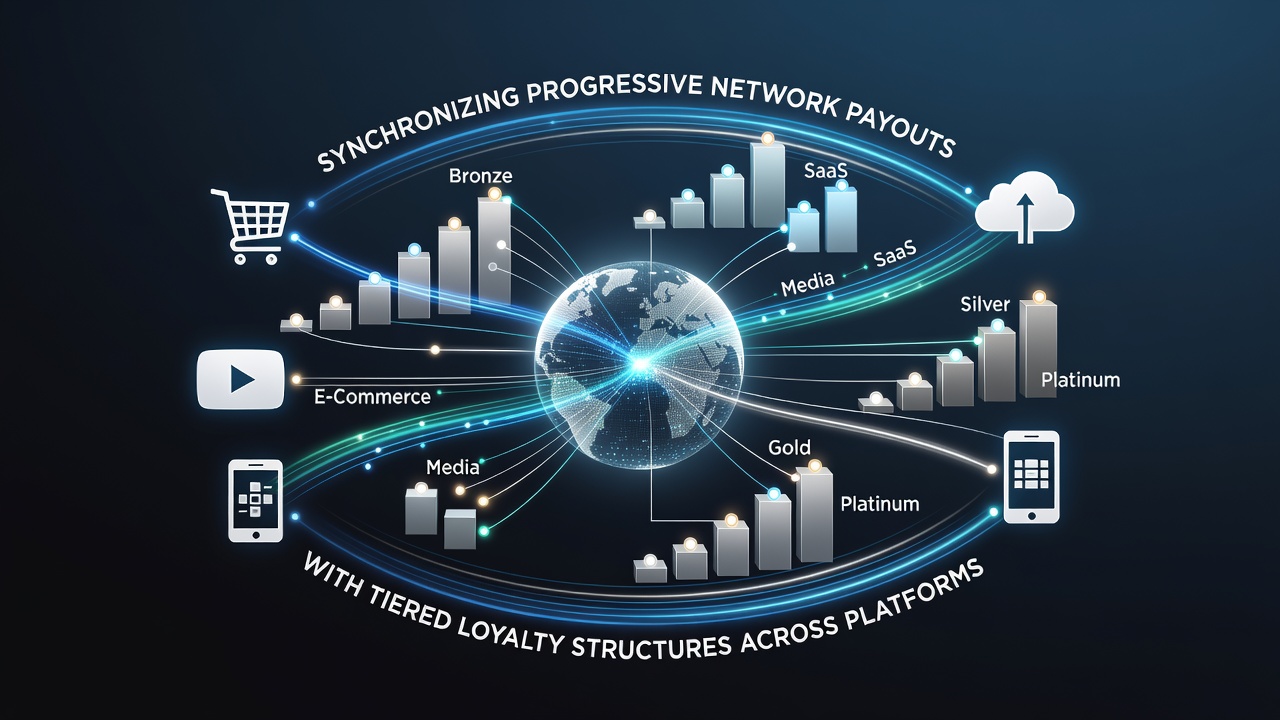
Operators in the gaming sector manage progressive jackpot networks that link multiple machines and sites so prize pools grow collectively while tiered loyalty structures assign benefits based on player activity levels and those systems now require coordination to function across online platforms, land-based locations and mobile applications simultaneously.
Core Components of Progressive Networks and Loyalty Tiers
Progressive networks accumulate contributions from bets placed on linked games and distribute payouts when specific trigger conditions occur whereas tiered loyalty programs classify participants into categories such as bronze, silver, gold and platinum according to accumulated points or spend thresholds and each tier unlocks distinct redemption options and bonus multipliers.
Researchers tracking system integrations note that data from the Nevada Gaming Control Board shows coordinated platforms record higher transaction volumes when jackpot contributions feed directly into loyalty point calculations without separate reconciliation steps.
Technical Synchronization Methods
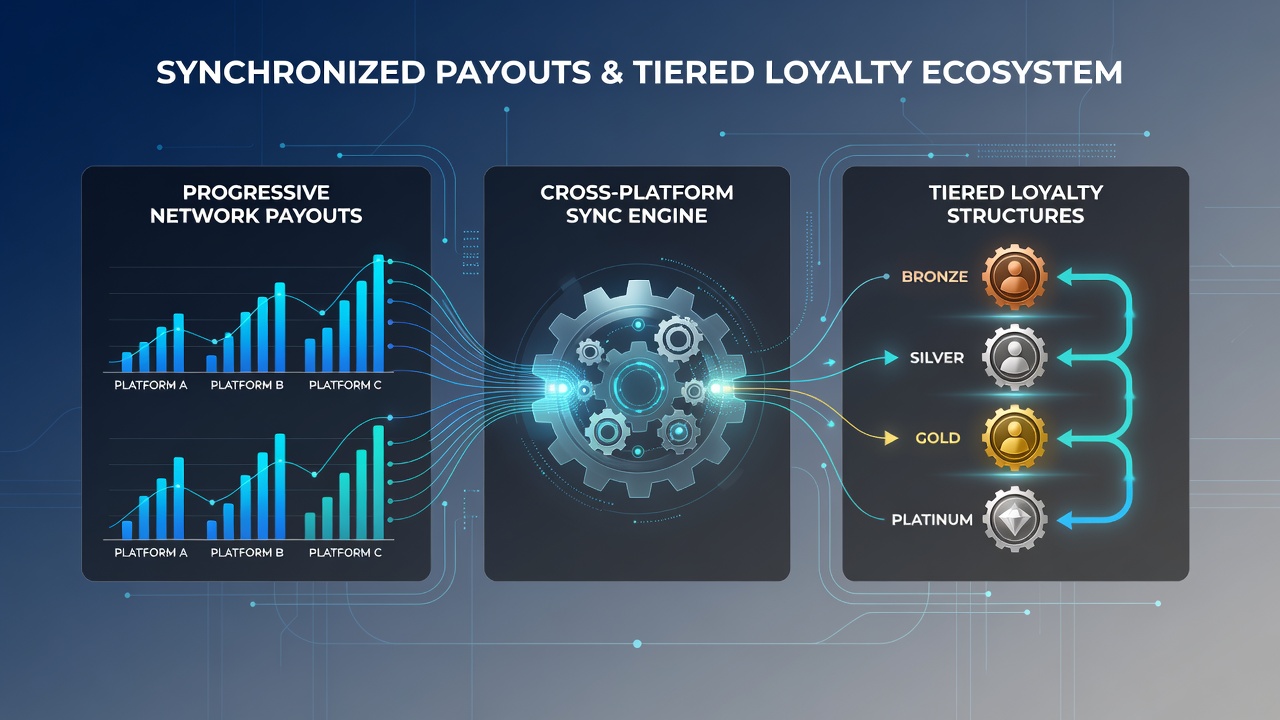
Integration occurs through centralized databases that update in real time so a wager on a progressive slot in one jurisdiction adds to both the shared jackpot meter and the player's loyalty balance on a unified profile while application programming interfaces handle cross-platform queries to verify tier status before awarding enhanced payout shares.
Systems often employ middleware layers that map loyalty tier rules to jackpot contribution percentages and this mapping allows a platinum-tier player to receive an additional percentage boost on network wins without manual adjustments during each session.
Implementation Timelines and Regulatory Milestones
Industry reports indicate several operators began phased rollouts of synchronized systems in early 2025 with full deployment targeted for October 2026 when updated compliance frameworks take effect across multiple regions and those timelines align with hardware refresh cycles in land-based venues.
One study from the University of Nevada, Las Vegas gaming research group examined early adopters and found that platforms combining progressive data streams with tiered profiles reduced processing delays by measurable margins compared with legacy separate systems.
Cross-Platform Data Flow Examples
Consider a player who earns points through mobile app sessions during the week and then visits a partnered land-based property on the weekend where the same profile triggers tier-based access to a progressive game bank and the jackpot contribution from that session updates the network meter while simultaneously advancing the loyalty tier calculation on the shared backend.
Observers note that such flows depend on consistent player identification methods including account linking protocols and biometric verification at terminals to prevent fragmentation of activity records across environments.
Regional Variations in Approach
European operators referenced in reports from the European Gaming and Betting Association often prioritize mobile-first synchronization because online participation rates exceed land-based figures in several markets whereas North American properties focus on merging floor management software with loyalty kiosks to maintain parity across venues and the differences reflect local regulatory priorities rather than uniform global standards.
Data compiled by the Australian Institute of Criminology on gaming technology adoption highlights that synchronized networks in that region frequently incorporate responsible gambling flags directly into the tier progression logic so players reaching certain activity thresholds receive automated notifications before further contributions process.
Challenges in Maintaining Consistency
Latency issues arise when network traffic spikes during large progressive wins and operators address this through redundant server clusters that mirror loyalty and jackpot data across geographic locations yet the process still requires ongoing monitoring to ensure tier benefits apply correctly at the moment of payout calculation.
Legacy machines in some venues lack native support for real-time loyalty mapping so retrofit kits provide interim solutions until full hardware replacement cycles complete around the October 2026 window mentioned in multiple operator roadmaps.
Conclusion
Synchronization of progressive payout networks with tiered loyalty structures continues to evolve as operators refine data integration techniques across platforms and the October 2026 milestone serves as a focal point for many planned enhancements documented in industry planning materials.