21 Nov 2026
Decoding Synchronization Patterns in Cross-Platform Incentive Networks for Extended Play Durability
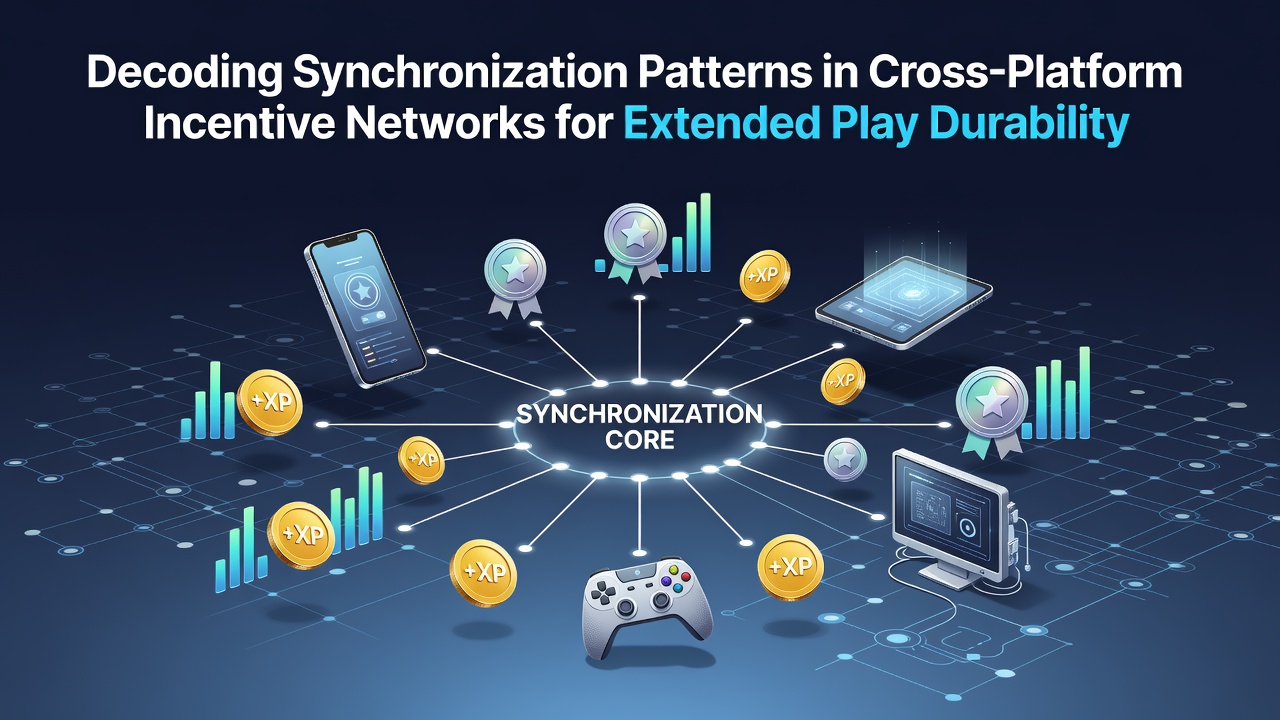
Cross-platform incentive networks operate through layered data exchanges that align rewards, progress markers, and engagement triggers across mobile, desktop, and console environments, and observers note these systems rely on real-time API calls plus cloud-based ledgers to maintain consistency for users who switch devices mid-session. Researchers at institutions tracking digital entertainment patterns have documented how these networks detect login events, session durations, and spending behaviors then apply synchronized multipliers or bonus tiers without manual intervention from players.
Core Mechanisms Behind Data Alignment
Systems achieve synchronization by routing activity logs through centralized servers that timestamp every action, while edge computing nodes handle immediate local updates to prevent lag during platform switches, and data from multiple sources shows latency under 200 milliseconds in major deployments. Industry analysts report that token-based reward currencies often serve as the bridge between platforms, allowing accumulated points or credits to transfer automatically once identity verification protocols confirm the same account across environments.
Pattern recognition algorithms scan for sequences such as repeated login-streak completions or threshold-based spending clusters, and these algorithms trigger durability extensions like extended bonus windows or tiered cashback rates that activate only when cross-platform continuity exceeds preset benchmarks. One study from North American gaming research centers revealed that networks employing predictive matching reduced drop-off rates by aligning incentive timing with historical user movement data between devices.
Patterns Observed in Live Operations
Operators implement staggered synchronization cycles where high-value actions on one platform seed eligibility for enhanced rewards on another, and this approach creates chained engagement loops that extend average play windows. Figures from European digital entertainment associations indicate that platforms using unified loyalty graphs see session lengths increase when users receive notifications about pending cross-device bonuses within minutes of activity transfer.
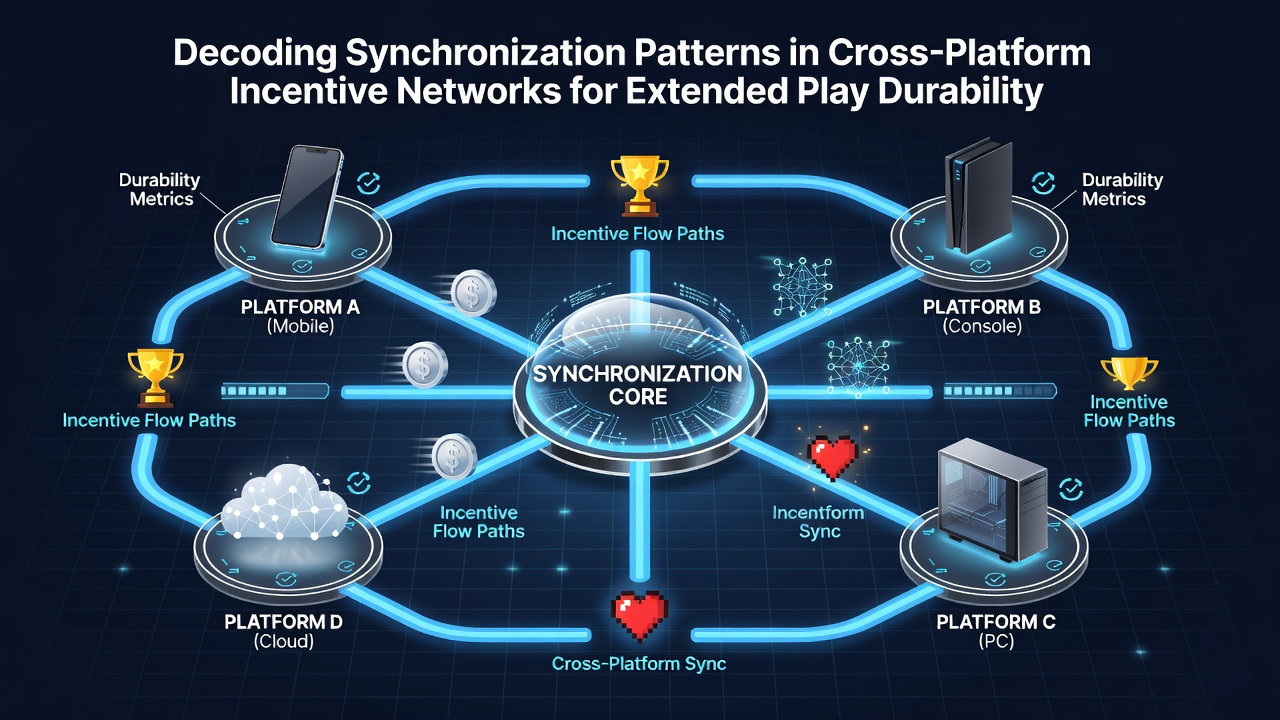
November 2026 marked the rollout of updated interoperability standards among several North American and Australian operators, which required uniform data schemas for reward states to support seamless transfers while maintaining audit trails for regulatory compliance. Those standards emphasize encrypted payload exchanges that preserve player anonymity metrics yet permit pattern analysis for fraud detection and retention optimization.
Take one operator group that integrated console and mobile ledgers in 2025: activity on handheld devices began populating desktop progress bars within the same minute, and subsequent reward unlocks on either platform reflected the combined history without duplication or loss. Data from similar implementations shows durability gains appear most pronounced when synchronization includes social features such as shared challenge completions across user groups.
Technical and Regulatory Influences
Hardware differences introduce variables that networks must accommodate, including varying screen resolutions, input methods, and notification delivery speeds, yet effective systems normalize these factors through abstraction layers that standardize reward presentation. Reports compiled by Canadian provincial gaming authorities highlight how compliance frameworks now require explicit disclosure of cross-platform data flows to users, which has prompted clearer consent interfaces during account linking.
Academic papers from Australian research universities have examined synchronization frequency and its correlation with extended play metrics, finding that intervals under five minutes between device switches correlate with higher retention when paired with immediate visual confirmation of updated incentive balances. These studies also note that excessive synchronization attempts can trigger security flags if patterns deviate from established user baselines.
External partners including hardware manufacturers contribute APIs that feed device-specific telemetry into the central incentive engine, and this collaboration allows networks to adjust reward pacing according to platform capabilities such as haptic feedback availability or background processing limits. Observers tracking these developments point to growing adoption of blockchain-verified ledgers in select deployments to create immutable records of reward state changes across borders.
Future Trajectory and Industry Adaptation
Continued refinement focuses on reducing friction during platform transitions while preserving the integrity of incentive calculations, and emerging protocols emphasize machine-learning models that forecast optimal synchronization moments based on individual usage rhythms. Trade organizations representing global digital gaming sectors have begun publishing guidelines that encourage standardized testing for cross-platform durability features ahead of wider regulatory scrutiny.
Linkages between incentive networks and third-party analytics platforms further expand pattern visibility, allowing operators to refine durability strategies without direct access to raw player identifiers. As these systems mature, data from multiple jurisdictions demonstrates measurable extensions in cumulative play time when synchronization remains both rapid and transparent to end users.
Conclusion
Cross-platform incentive networks demonstrate measurable impact on play durability through coordinated data flows, algorithmic timing, and standardized reward states, and ongoing technical updates plus regulatory adjustments continue to shape how these patterns evolve in practice. Industry participants who monitor synchronization performance report consistent gains in retention metrics when alignment protocols prioritize speed, accuracy, and user visibility across all connected environments.