24 Oct 2026
Harmonizing Reward Layers in Multi-Site Gaming Ecosystems
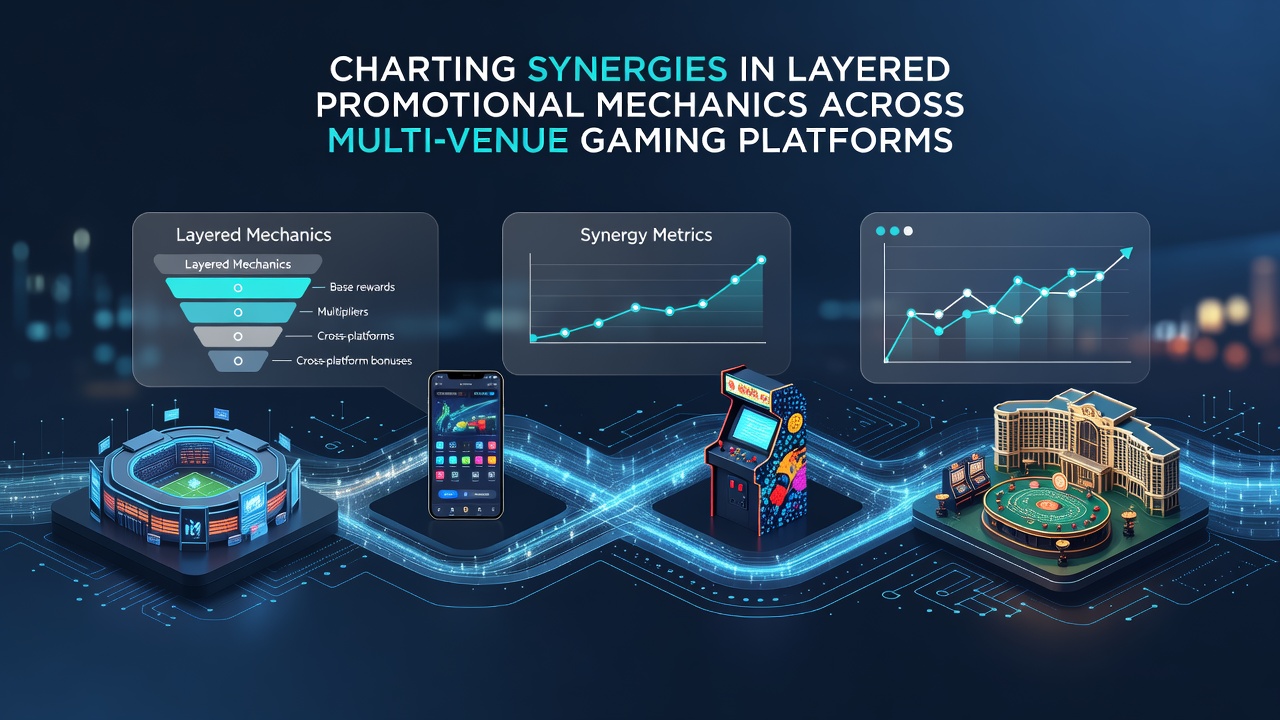
Operators managing multiple venues have developed coordinated promotional structures that connect digital platforms with physical locations, allowing players to accumulate and redeem rewards through unified systems, and data from industry reports indicate these integrations have expanded steadily since 2023.
Layered mechanics typically combine base loyalty points earned on slots or table games with tiered bonuses that activate when activity spans both online accounts and in-person visits, while additional overlays such as time-limited challenges or venue-specific multipliers create further depth without requiring separate tracking methods.
Core Components of Cross-Venue Systems
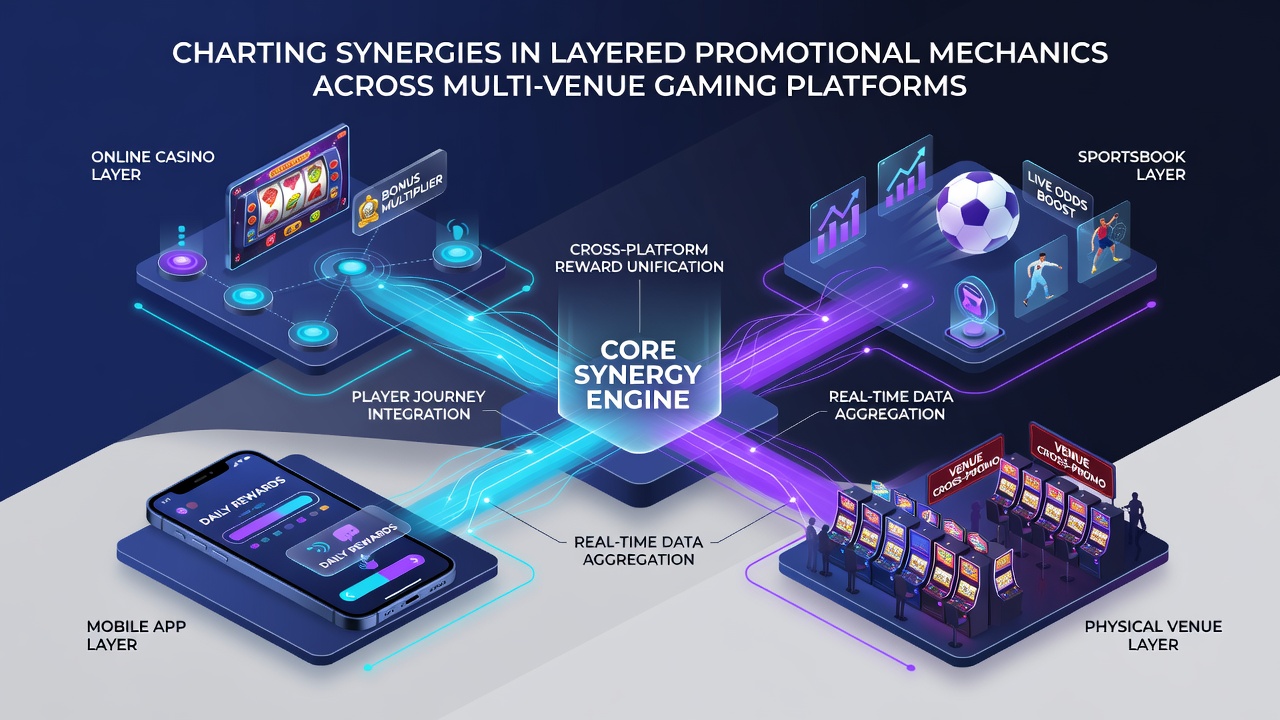
Central databases now aggregate player data from disparate sites, enabling real-time updates to reward balances whether a participant logs in from a mobile app or inserts a card at a casino floor terminal, and this connectivity supports promotions that trigger automatically once cumulative spend or playtime thresholds are met across locations.
One common approach involves shared progress bars that advance through online wagers and land-based sessions alike, whereas another model assigns distinct point categories for each venue type yet permits conversion at fixed ratios during designated periods.
Implementation Patterns Observed in 2025
Reports compiled by the American Gaming Association show that several large operators launched unified apps in early 2025 that merge account management for multiple properties, allowing seamless transfer of promotional credits between sites, and these tools have reduced administrative overhead while increasing repeat engagement metrics tracked by internal analytics teams.
Similar frameworks appear in Canadian markets where provincial regulators oversee cross-border operator partnerships, and figures from the Canadian Gaming Association reveal that integrated loyalty programs now cover over 60 percent of multi-venue groups operating in Ontario and British Columbia.
Regulatory Context and October 2026 Developments
Standards scheduled for introduction in October 2026 in several jurisdictions will require clearer disclosure of how promotional values convert across platforms, and operators have already begun adjusting data architectures to meet these transparency rules while preserving the layered structures that drive participation.
Studies conducted by university research centers, including work from the University of Nevada, Las Vegas International Gaming Institute, document that venues adopting synchronized mechanics report higher average session lengths when players can combine online and on-site activity toward single goals, although exact percentage gains vary by market size and regulatory environment.
Case Examples from Global Operations
Take one North American chain that introduced venue-specific badges redeemable for universal rewards; participants who complete challenges at three separate locations unlock enhanced online free-play packages, and internal tracking data indicate steady uptake since rollout.
Another example involves Australian operators linking land-based loyalty cards with approved online platforms under oversight from state authorities, where points earned during marathon live-dealer sessions convert directly into credits usable at partnered venues, and quarterly summaries released by industry bodies confirm consistent cross-channel redemption rates.
Technical Integration Challenges
Legacy systems at older properties often require middleware solutions to communicate with modern online platforms, yet once linked these connections permit dynamic adjustment of promotional offers based on real-time player location and recent activity patterns.
Security protocols now incorporate multi-factor verification that spans both digital logins and physical card usage, reducing instances of duplicated rewards while maintaining the fluidity that encourages continued participation across sites.
Conclusion
Coordinated promotional layers continue to evolve as operators refine data-sharing agreements and prepare for upcoming compliance deadlines in October 2026, and available statistics demonstrate measurable shifts in player behavior when rewards flow smoothly between venues, providing a factual basis for ongoing development in this area of gaming operations.