25 Aug 2026
How Layered Loyalty Programs Connect Reward Pools in Digital Gaming Networks
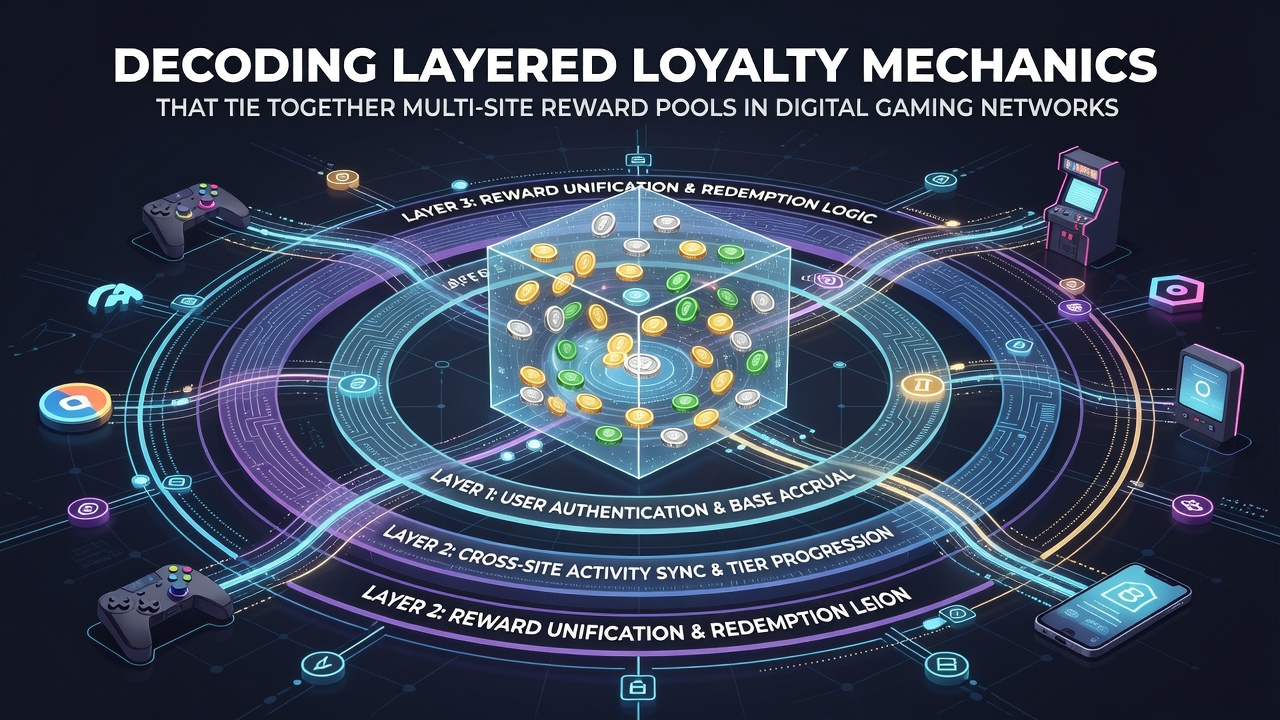
Digital gaming networks operate through interconnected systems where player data flows between sites, allowing points earned at one location to contribute toward rewards available at others. These layered loyalty mechanics rely on centralized databases that track activity across multiple operators, and they create unified reward pools funded by contributions from each participating site.
Operators structure these programs in tiers that unlock based on cumulative play volume, with entry levels granting basic redemptions while higher tiers provide access to shared jackpots and exclusive experiences. Data integration happens in real time so that a player who switches between desktop and mobile versions of connected platforms sees their balance update without delay.
Core Components of Shared Reward Architecture
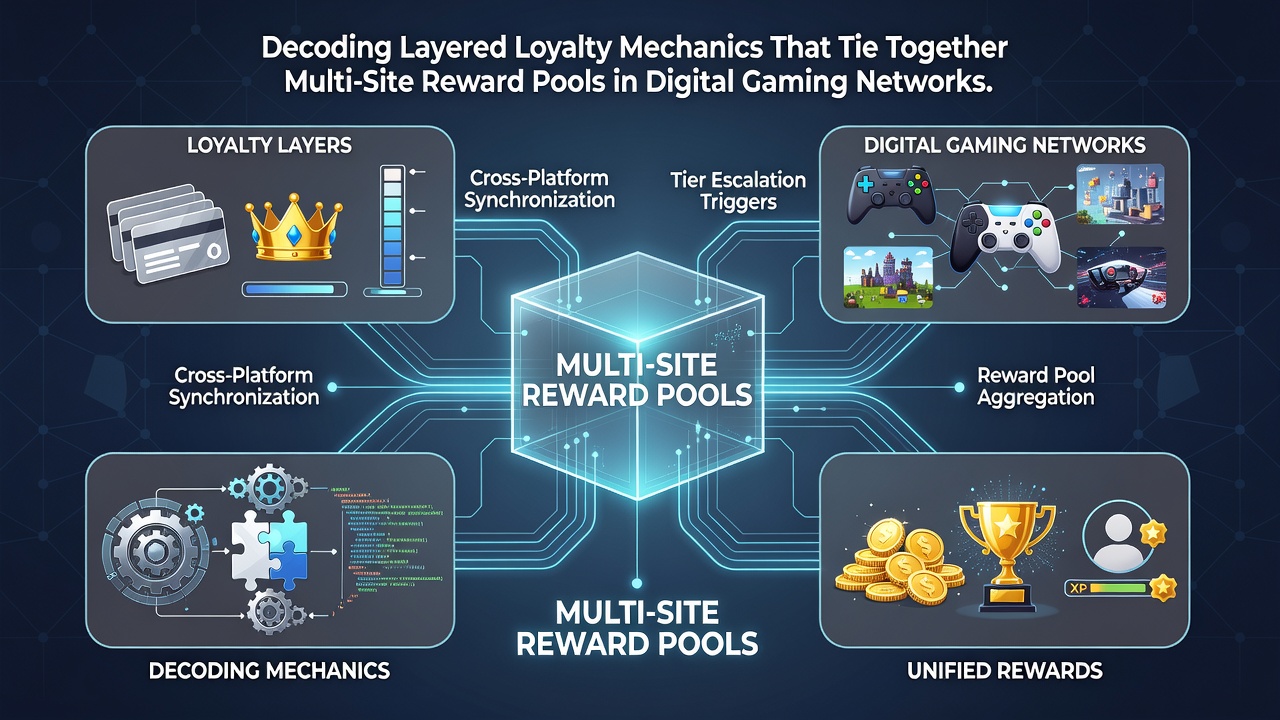
Each network maintains a master ledger that records every wager, win, and point accrual event, then distributes portions of those points into a collective pool. The pool size fluctuates according to total network activity, and algorithms allocate percentages to different reward categories such as free play credits, merchandise, or event invitations. Middleware software handles the translation of activity data from disparate casino management systems into a single format that all sites can read.
Redemption rules vary by tier, yet they remain consistent across locations because the underlying logic resides in the shared platform. A player reaching a mid-level tier on one site can immediately use accumulated points at another site within the same network without additional verification steps. This seamless transfer depends on API connections that authenticate accounts and update balances across servers located in different regions.
Data Flow and Point Distribution Mechanics
Points enter the system when players place qualifying bets, and a fixed percentage moves into the common pool while the remainder stays in site-specific accounts. Network operators adjust these percentages periodically based on overall volume metrics reported in quarterly summaries. In August 2026 several networks revised their allocation ratios after reviewing transaction logs that showed increased cross-site play during summer months.
Advanced matching engines compare player identifiers across databases to prevent duplicate accounts from inflating point totals. These engines also detect patterns that might indicate coordinated activity intended to manipulate pool contributions. Once verified, points become available for redemption through a unified interface that displays options drawn from the entire network rather than from a single site.
Integration Challenges Across Jurisdictions
Regulatory requirements differ by region, so networks must segment player data according to licensing rules while still allowing cross-border point transfers where permitted. Some jurisdictions require separate pools for local players, which forces operators to maintain parallel ledgers that feed into the main system only after compliance checks clear. Technical teams address these constraints through modular database designs that isolate sensitive fields yet permit aggregate reporting.
Players often encounter terms that specify which rewards derive from which pool, and they must accept these conditions before redeeming points earned on multi-site platforms. Documentation provided by network operators outlines the contribution percentages and redemption windows that apply to each category. Updates to these documents appear in player portals whenever allocation formulas change.
Examples from Established Networks
One prominent North American network links eight land-based and online properties under a single loyalty identifier, and its central pool funds seasonal promotions that rotate among the sites. Participants receive notifications when points from one property become eligible for use at another, and the system tracks the origin of each point batch to satisfy local tax reporting obligations. Similar structures appear in European and Asian markets where operators have formed alliances to enlarge their collective player bases.
Research published by the American Gaming Association shows that networks employing unified pools record higher retention rates than standalone programs. Figures from the same report indicate that average point redemption values increased after cross-site features launched. Observers note that these gains appear consistently across different regulatory environments when the technical infrastructure supports reliable data sharing.
Future Developments in Pool Management
Developers continue to refine the algorithms that balance contributions and distributions so that no single site disproportionately drains the shared pool. Machine learning models predict redemption spikes and adjust contribution rates in advance to maintain equilibrium. Pilot programs tested in 2026 introduced dynamic tier thresholds that respond to network-wide activity rather than fixed calendar periods.
Additional layers now incorporate non-gaming activity such as hotel stays and dining purchases at affiliated venues, expanding the sources that feed the reward pool. These expansions require updated consent protocols because they involve data categories previously kept separate. Networks publish revised privacy statements that detail how the new data streams integrate with existing loyalty records.
Conclusion
Layered loyalty mechanics in multi-site gaming networks depend on synchronized databases, tiered access rules, and carefully calibrated contribution formulas that maintain shared reward pools. These systems allow points earned at one location to unlock benefits across the entire network while complying with regional regulations through segmented ledgers. As operators refine integration tools and expand data sources, the architecture supporting these pools continues to evolve in response to player behavior patterns and technical capabilities.